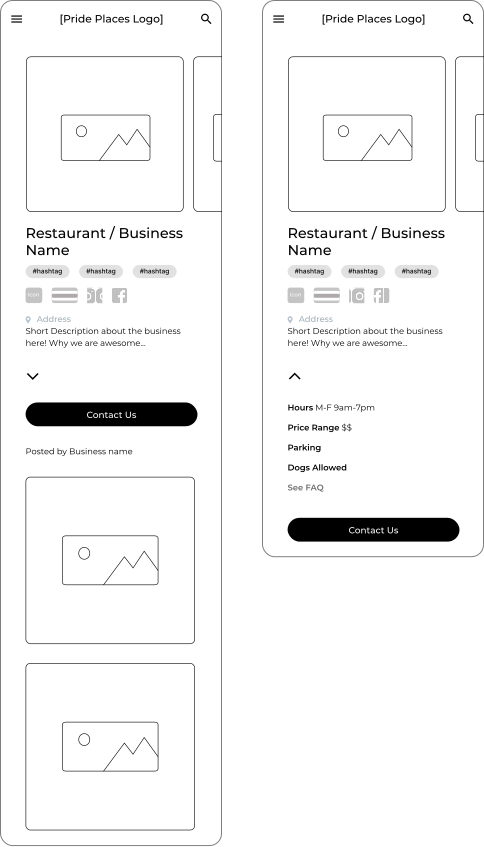
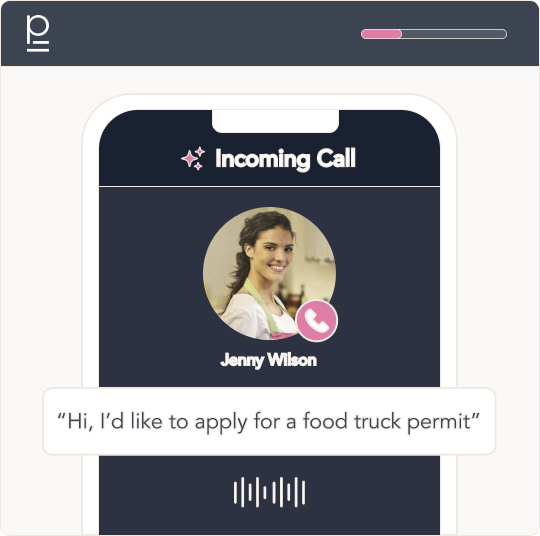
.svg)

Pride Places is a misison-driven start-up providing a directory of LGBTQ+ owned and friendly businesses. In order to grow, they need to increase advertising sales and reach more people.
The challenge of the current website is user retention and time on the website, so the innovation team was asked the question,
How can we add value to users so they remain engaged with us?
Through primary and secondary research, we identified challenges for the LGBTQ community:
To create a new, safe platform for LGBTQIA+ people to interact with community and businesses who understand their needs.
Identify research goals, create concepts to address users needs and run tests to see which ones resonate. Design and implement a concept test, determine the MVP and start designing.
UX Research
Strategy
Design
Innovations team
(4 designers including me + marketing)
CEO
Developer
Figma
Figjam
Zoom
Airtable
Trello
13 Weeks
(part time)

We had four concept ideas for a new app to address the needs of the community we wanted to try out. Each designer took a concept to flesh-out that we could test.
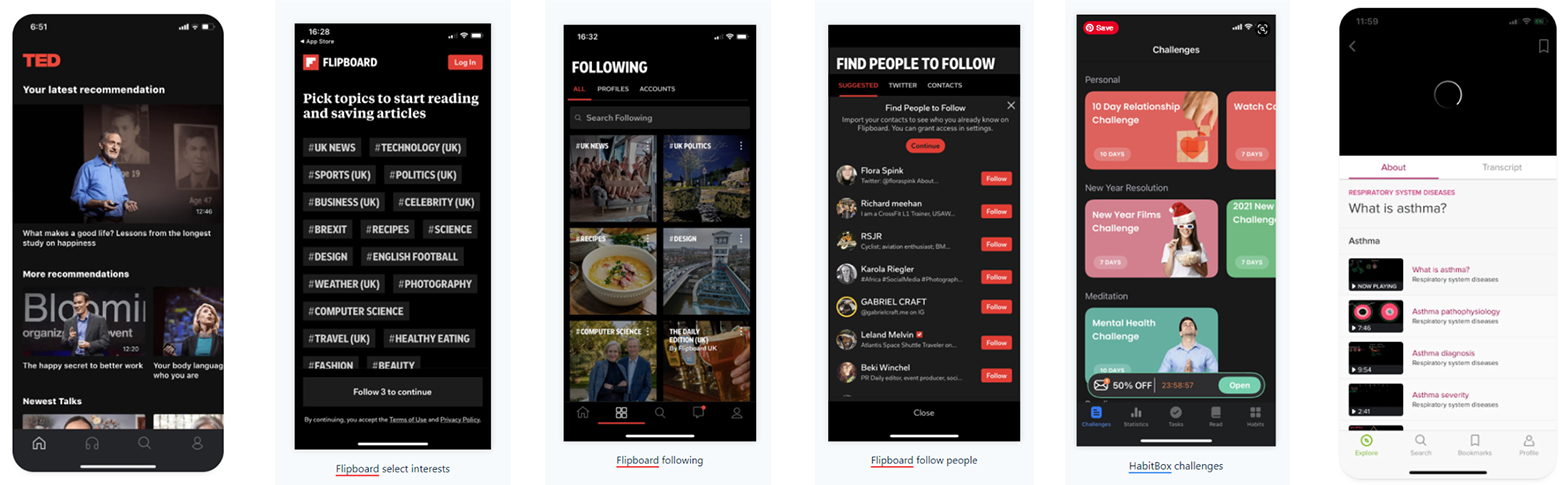
I started by comparing different layouts of existing apps to see how content was organized and presented.
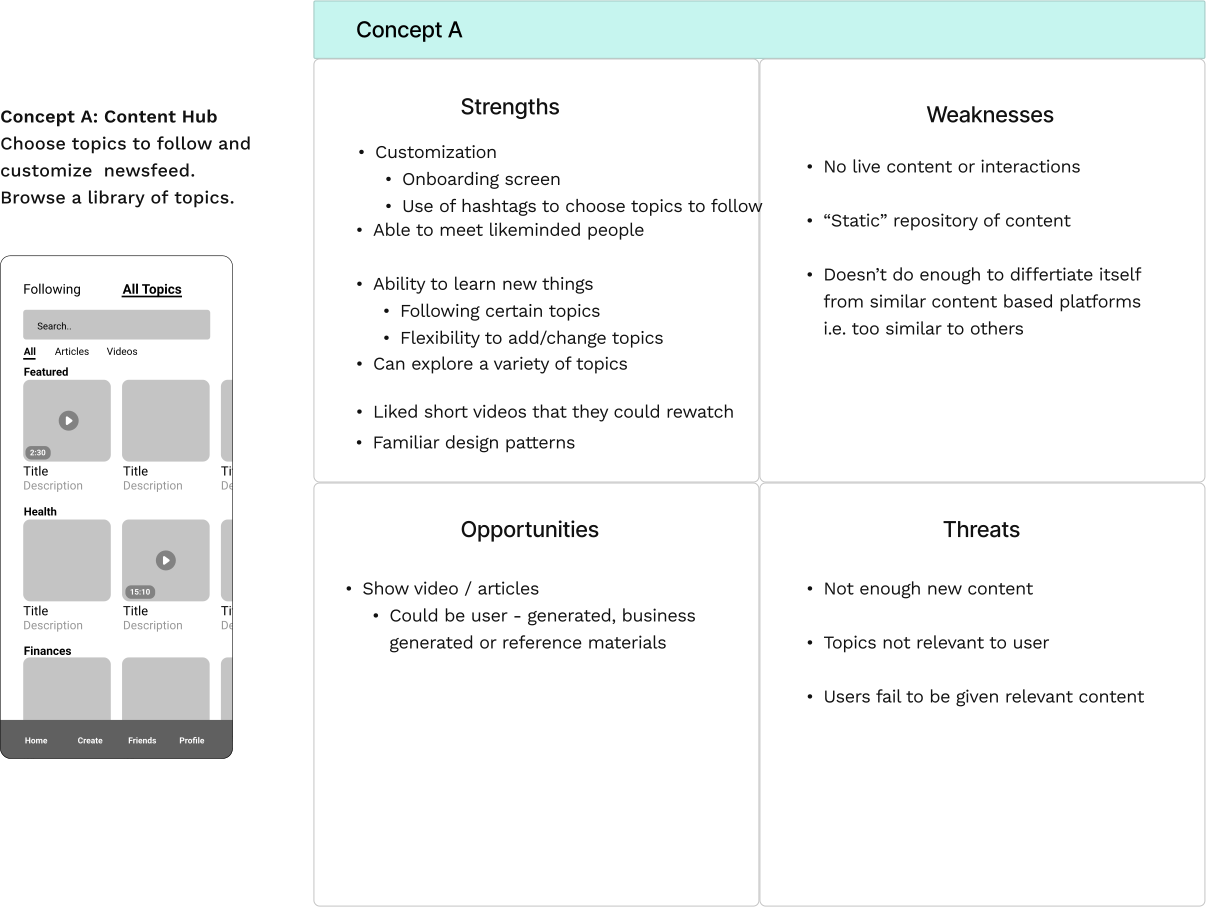
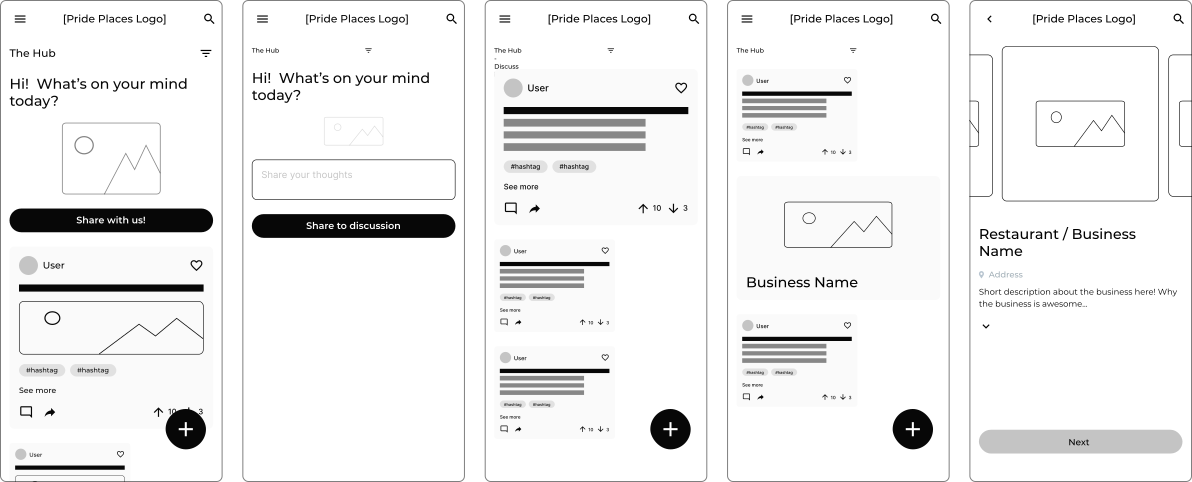
Content Hub Features (Concept A)
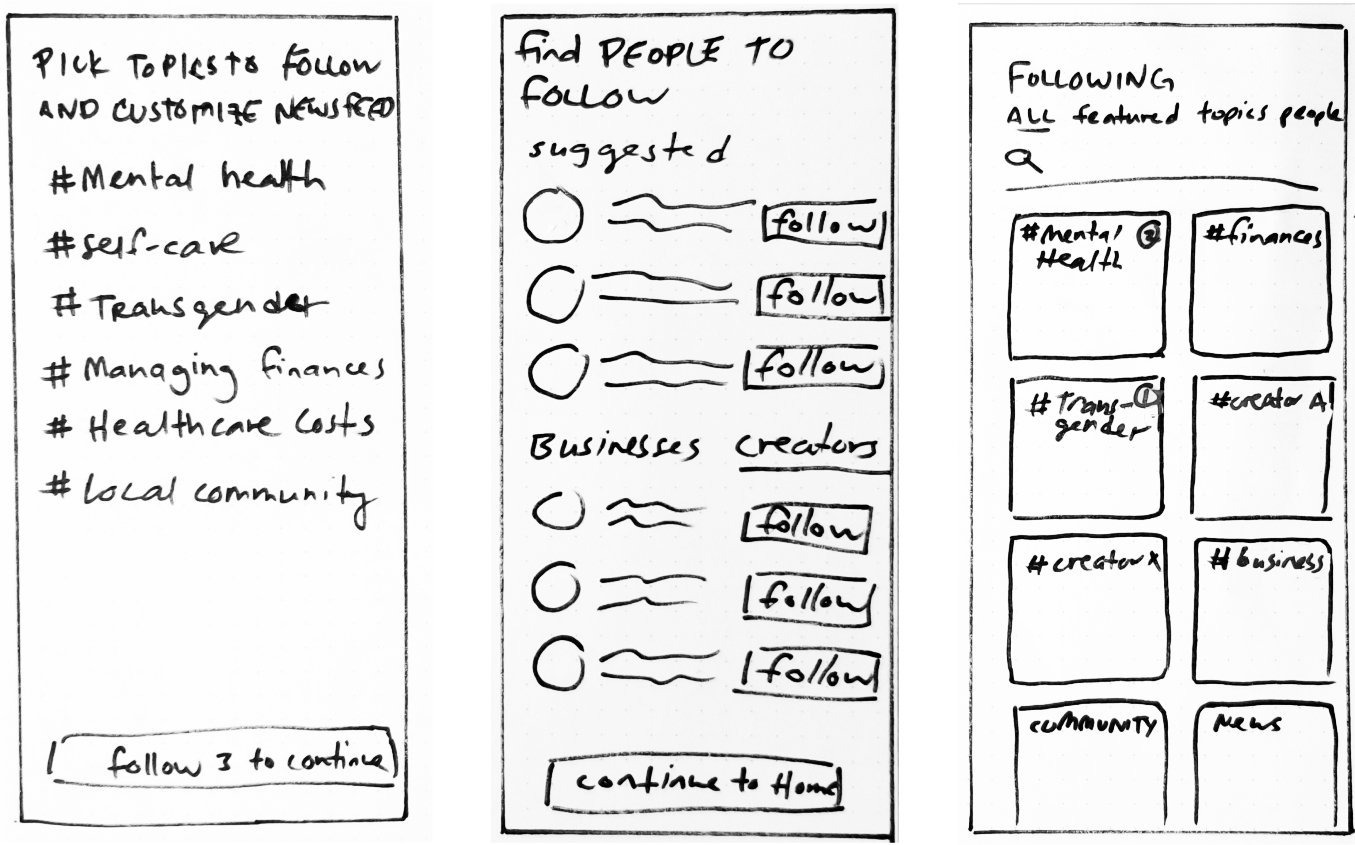
I created wireframes to show to users in concept test
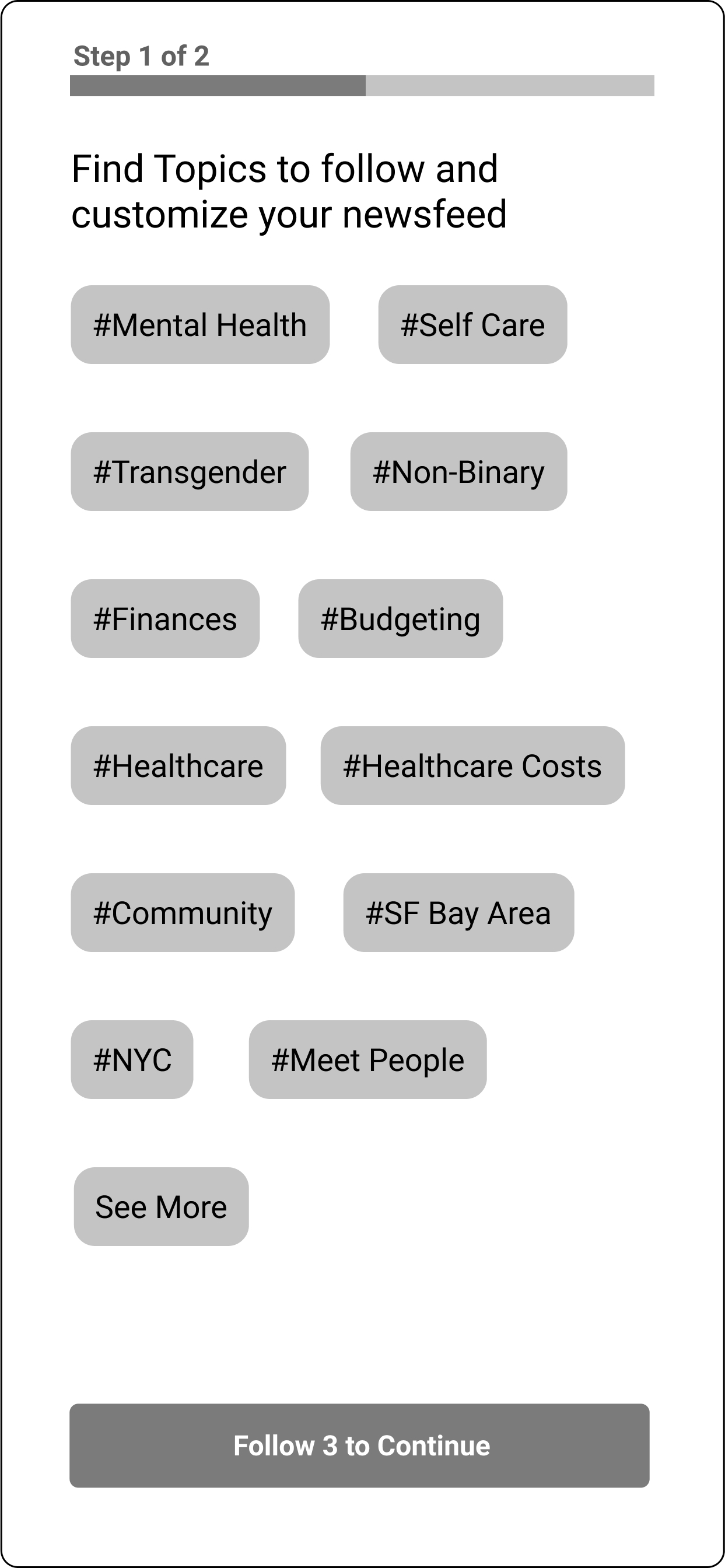
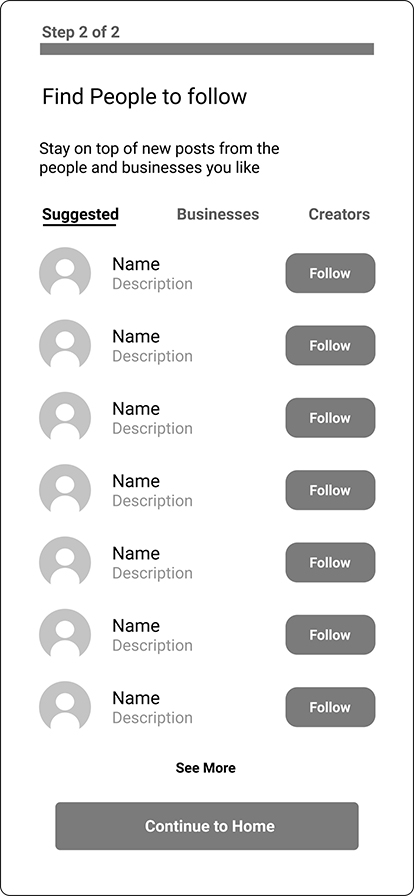
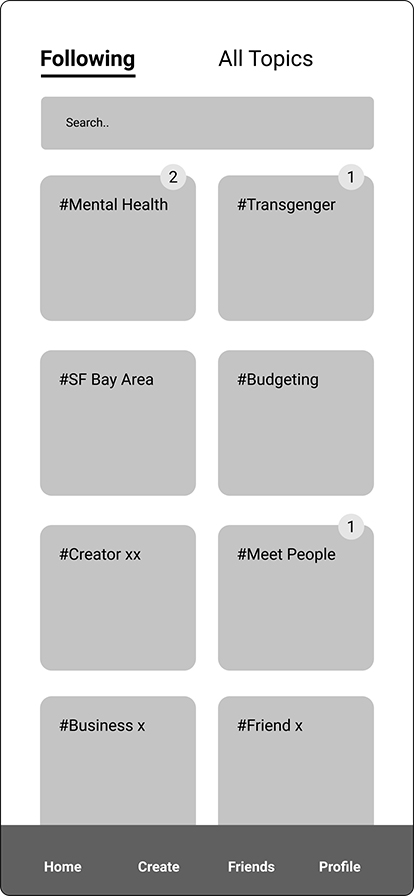
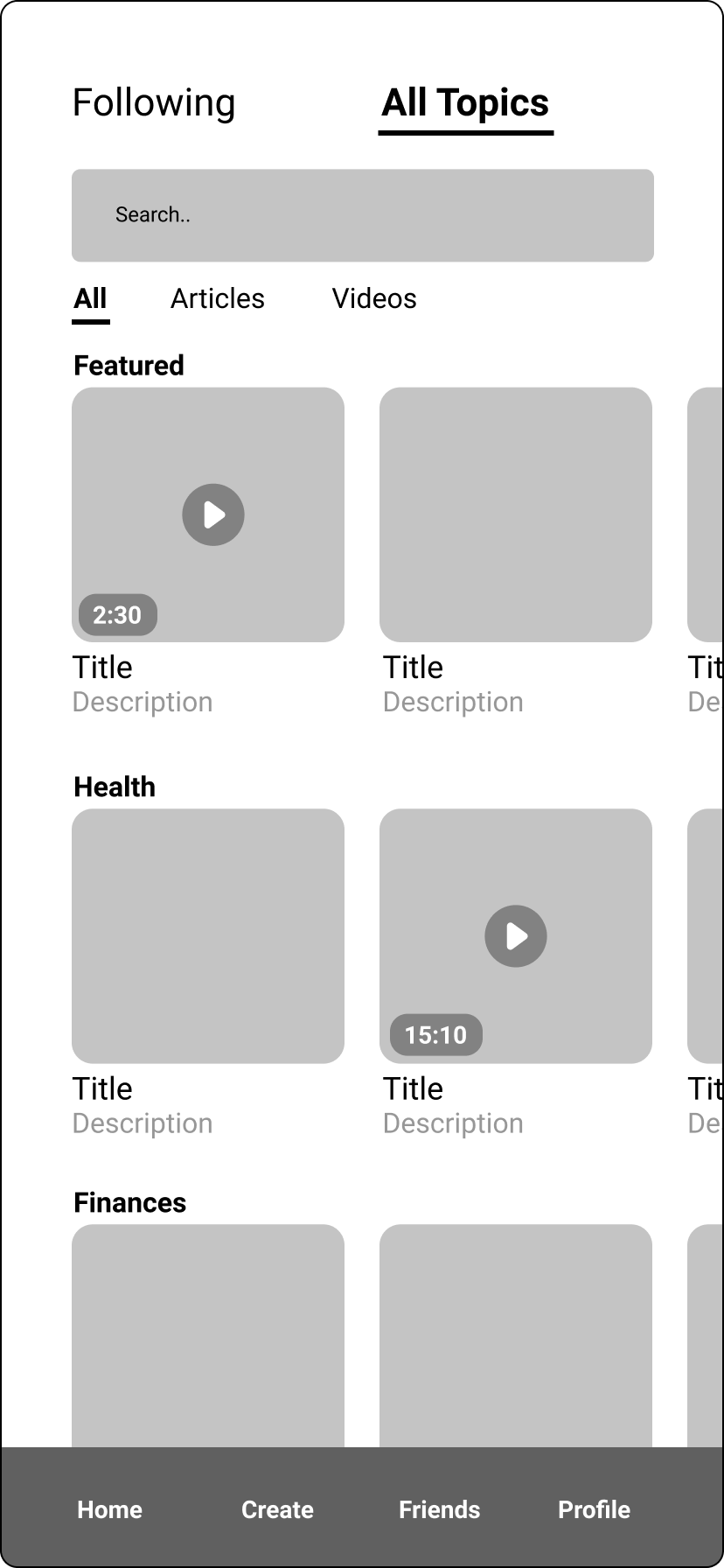
.svg)
The concept testing interviews were conducted over Zoom. We tested 2 of the 4 concepts at a time by showing the wireframes to users in randomized order and asked questions.
Utilized Google forms surveys to show two concepts at a time in different orders to account for biases. The surveys were shared in slack channels, FB groups, university channels, etc.
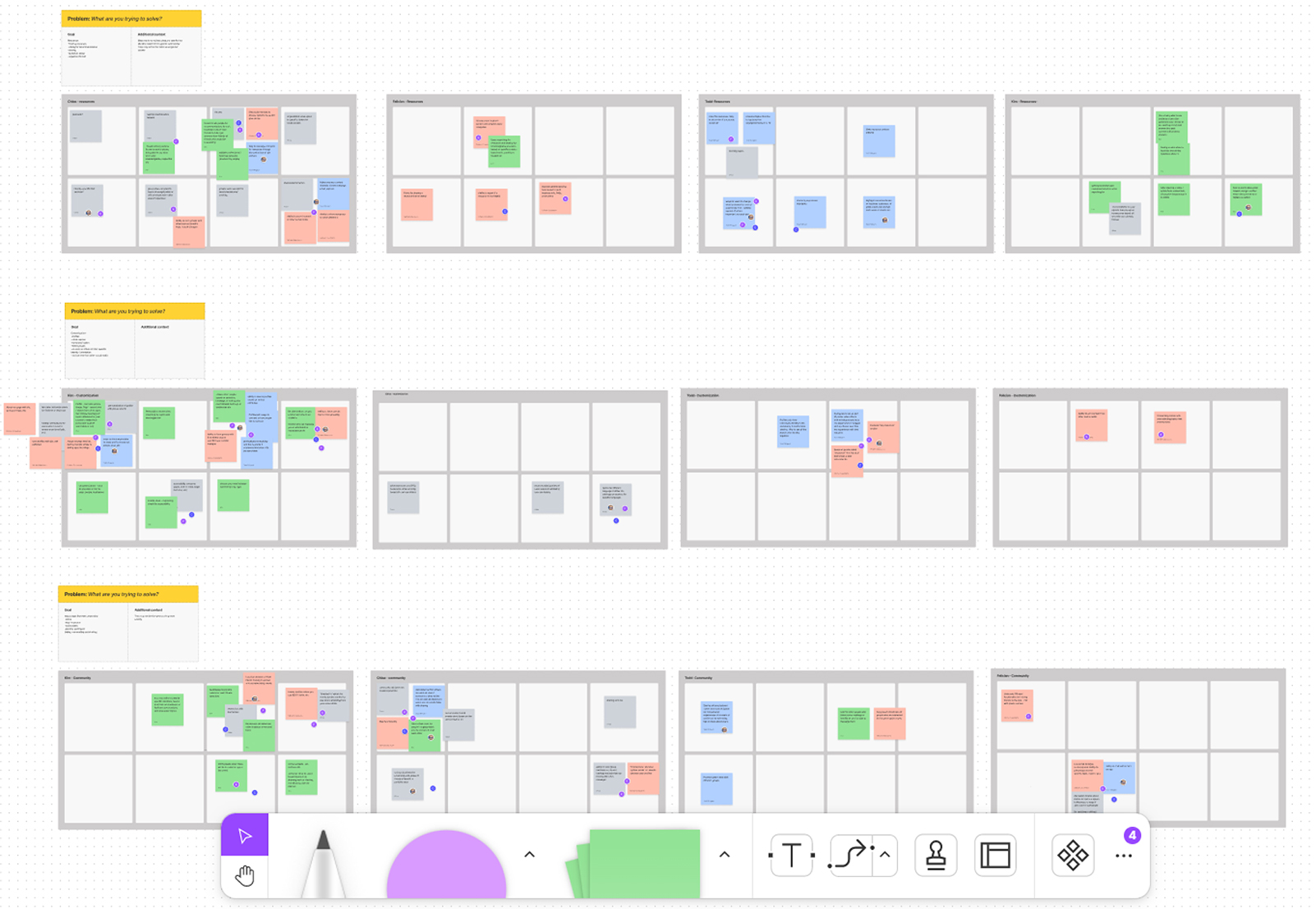
We synthesizing findings from moderated testings and qualitative information from unmoderated testing with an affinity map and discussed insights.
At the end of the session, we voted for our most important themes, and shared those insights with stakeholders.
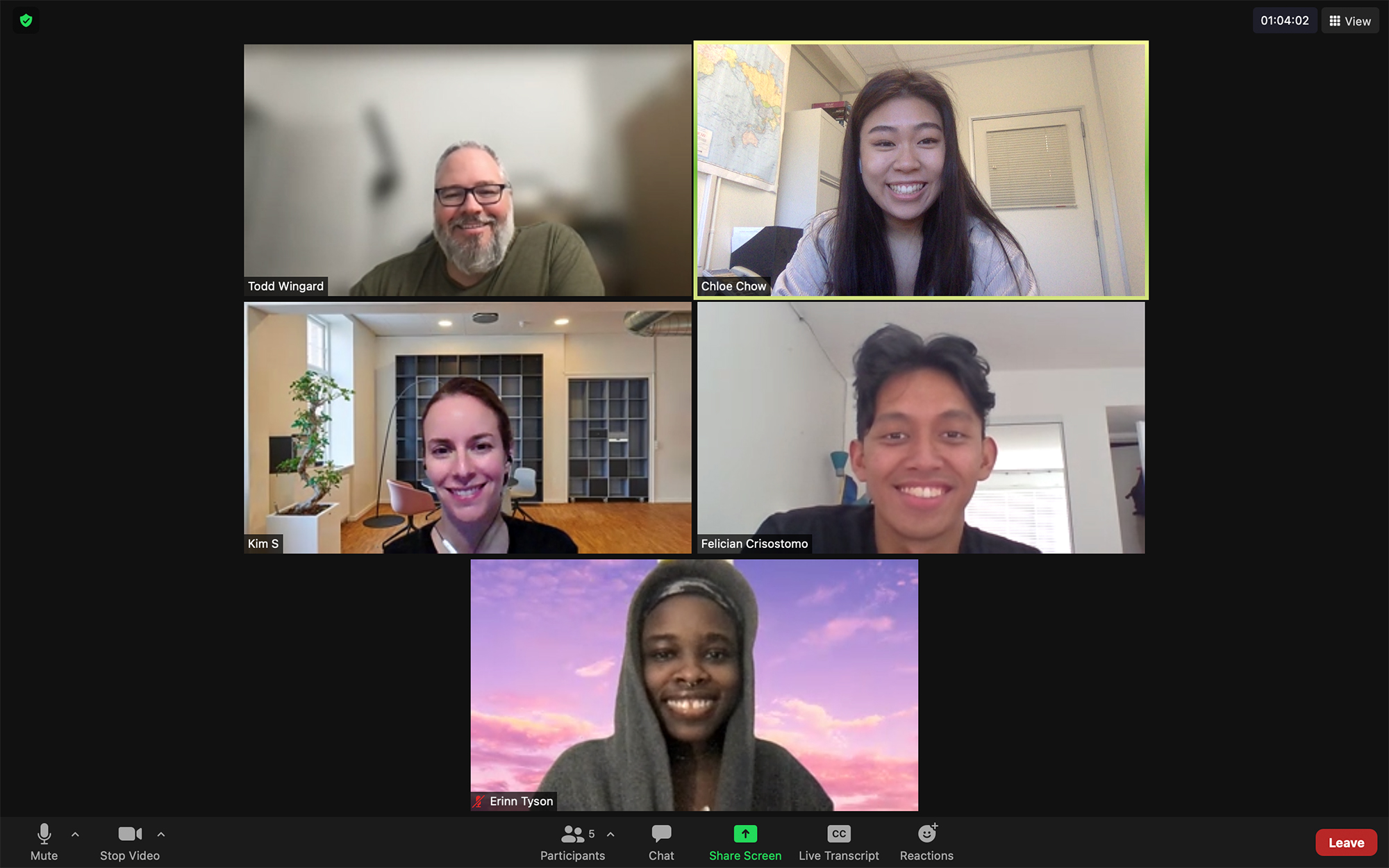
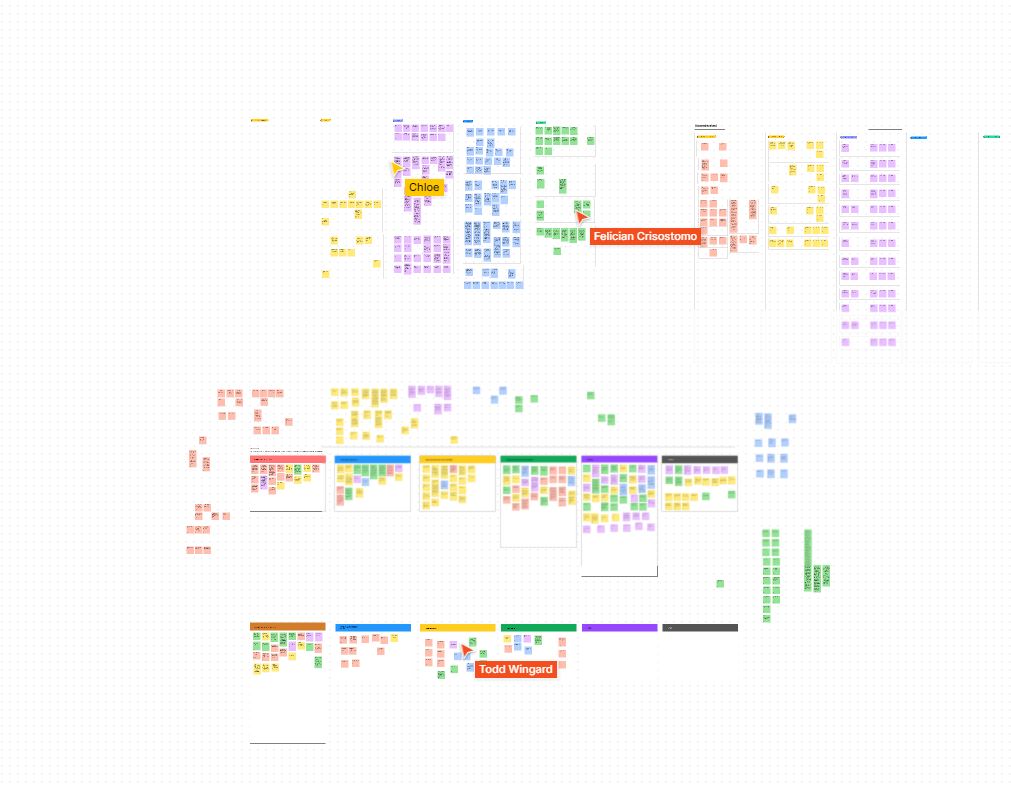
.png)
People welcome the opportunity to find support from others with similar background and experiences


Users responded to having a variety of media options articles, videos, pictures etc.
Video platforms are most popular and engaging due to combination of audio + visual stimuli. Users preferred short videos no more than 2 minutes.

Likely to consult trusted individuals who are close and in the person’s life (e.g. family and friends)
I constructed user personas so we could focus in on our target audience. Most users we tested with were Millennials and fell into the ‘passive community member’ persona and were more interested in consuming content than creating.
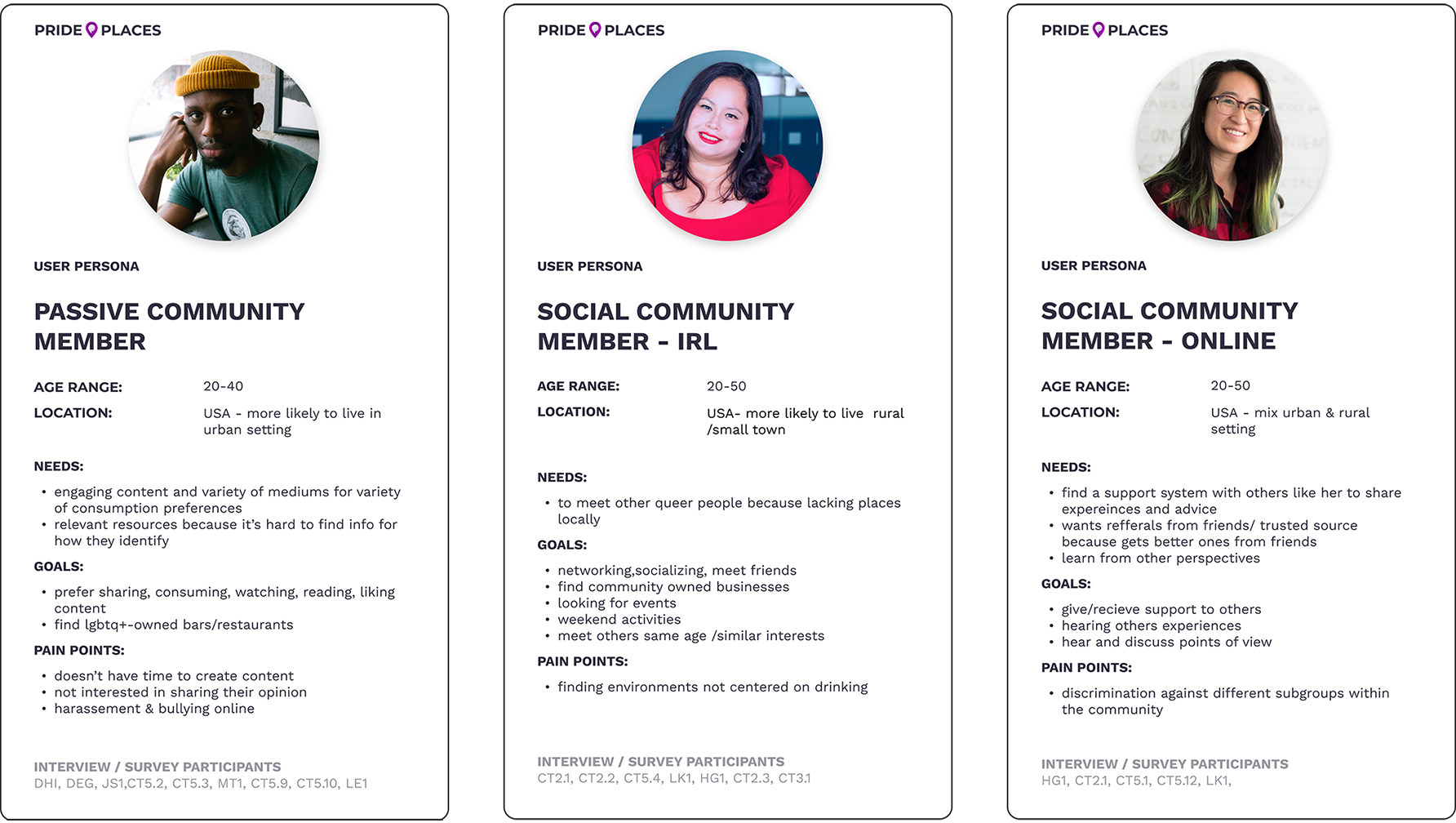
We had consider our other users - business owners and creators - as we were designing. We didn’t conduct enough primary research (or have time for it) on these groups to create actual personas, so instead we used secondary research to quickly summarize to needs/goals/pain points in provisional personas.
.png)
At the end of our research, we chose to do a SWOT analysis for each of our concepts to better compare the features to each other.
.png)
.png)
.png)

There wasn’t a clear winning concept from our testing. Users rated Concept A slightly higher than the others, but we heard and observed people really liked parts of each concept, so we made a recommendation based on themes and features.
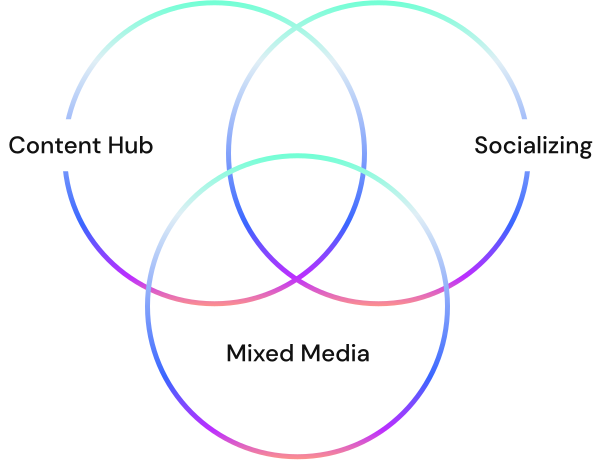
Organized way to find resources and media
People have a variety of preferences for viewing and engaging with content
People have an interest in engaging with each other both online and in person
We did a crazy-eights feature brainstorming because our team enjoyed collaborating together in meetings, and this exercise made it like a game to keep working together fun! My favorite part was when we shared our ideas and the discussions building on eachother’s ideas. At the end we voted for the ones we felt strongest about.
Features were prioritized on a product roadmap, and the new sitemap was created.
.png)
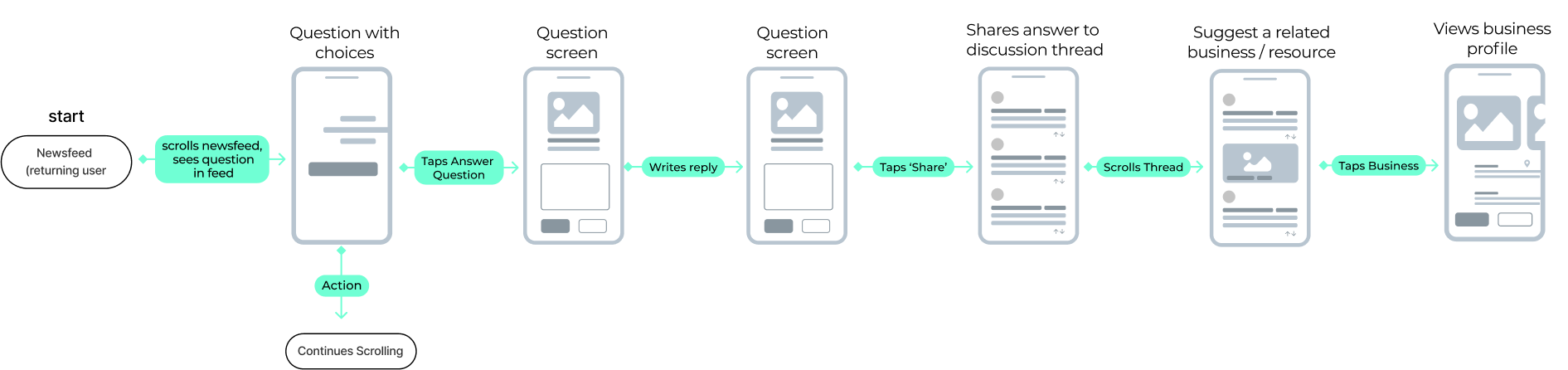
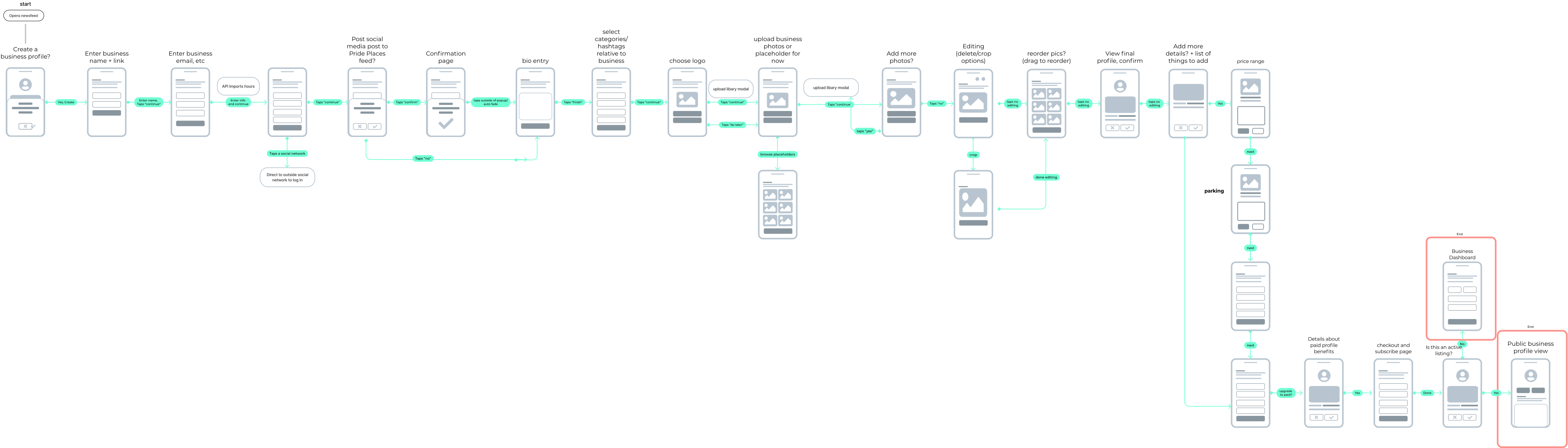
The most essential task flows to be designed for the MVP before we could build anything else:
The design team split up the tasks and wireframes. I worked on the following two tasks.
I compiled the features we identified into a chart. Working with the CEO and developer, we determined the effort to develop each and the priority level. With this we created our product roadmap and defined the MVP.
I learned it was important for our developer to utilize the existing business database and have to start from scratch, so while I could update the UI the existing data fields had to be kept intact.

Empathizing with the LGBTQ community increased my awareness of the struggles and challenges they face. This perspective gave me more tools to practice inclusive design for this community.
I loved working with everyone at Pride Places and especially my design bffs on the Innovations Team. Being able to discuss ideas and hear other people's thoughts was fun and inspired new ideas!
Communication is key! Especially with a remote team. Involving our developer early in the design process ensured we were aligned and what we were designing was achievable.
Having a new volunteer design team every couple of months was a challenge. My design team was sure to document our key decisions and learnings for future members.
©2026 Kim Scerbinski - Designed with Webflow


.svg)

.svg)