.svg)
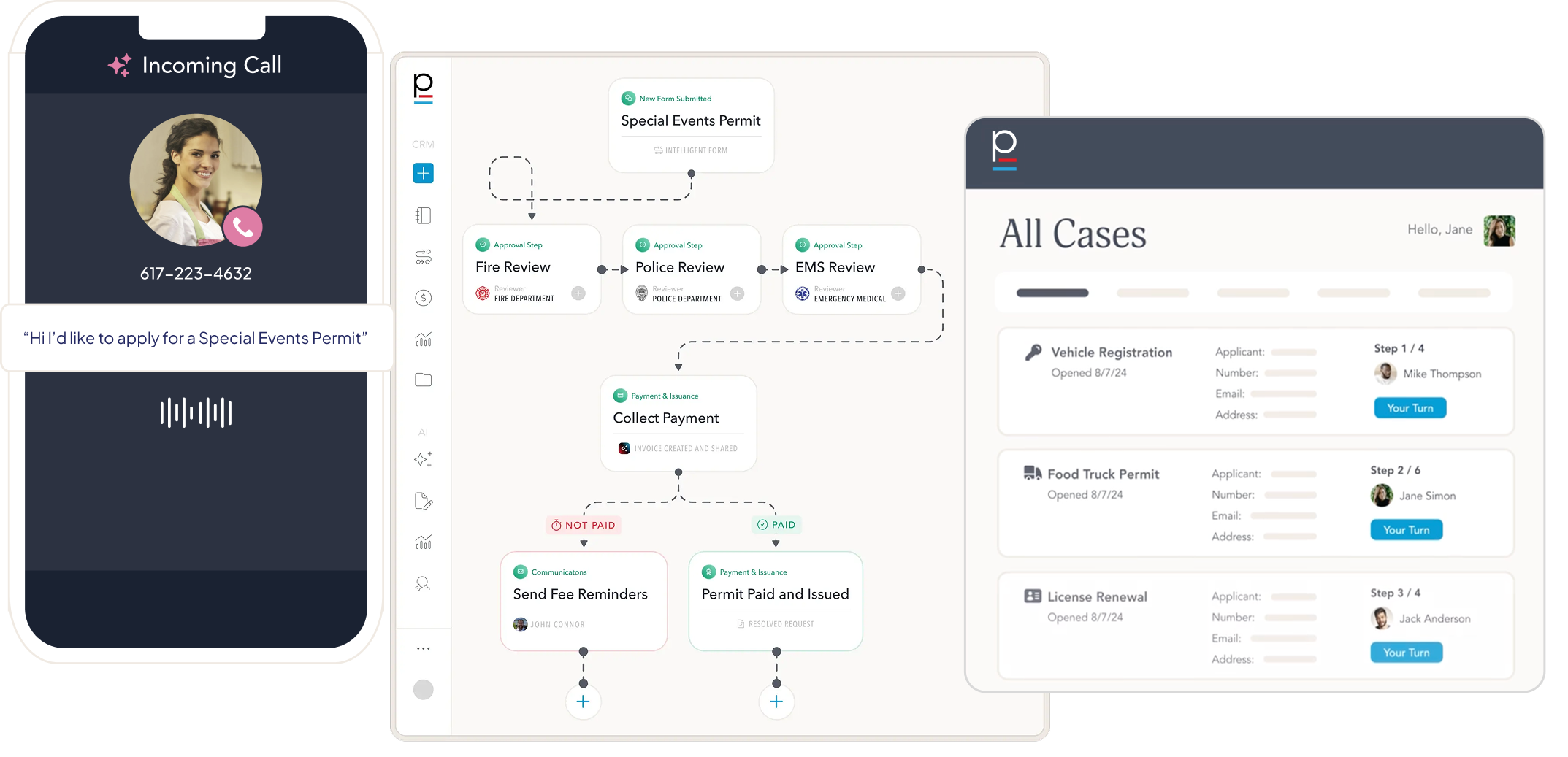
As Polimorphic’s founding designer, I led research, UX strategy, interaction design, prototyping, design systems, and UI design to develop 10+ platform features. This work helped us to scale the business and led to a successful Series A raise.
My work focused on two outcomes:
Expand access to essential services for residents
Reduce manual work & operational friction for staff
How do local governments deliver streamlined, accessible services when:
Increase access for residents, and reduce time staff spends on routine work so they can redirect their time to high impact projects.
Design Lead: Research, UX & UI
2021- 2025: Design Lead
2026 - senior designer & part of a design team
County, court and local government municipalities
36 million residents served

Early research with local government staff helped me understand administrative workflows and residentservice challenges, which informed design decisions across multiple product areas.
Throughout the process, I worked closely with engineering and leadership to balance user needs, technical constraints, and business priorities while continuously testing and incorporating feedback from customers.

Tooele, in Tooele County, Utah
Government teams are managing increasing workloads with limited staff capacity. Tooele county saw an increase in residents to serve and workload without an increase in staff. These long term employees hold the knowledge of how the government operates in their heads without a way to easily train the next generation.
Help staff increase efficiency.
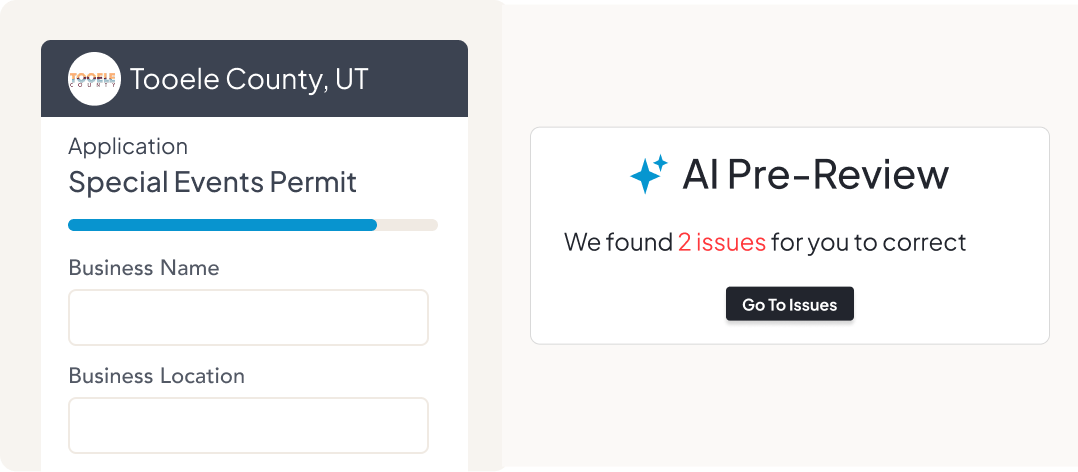
Digital submission with Pre-Submission Review ensures applications are complete before getting routed to staff for approval and processing
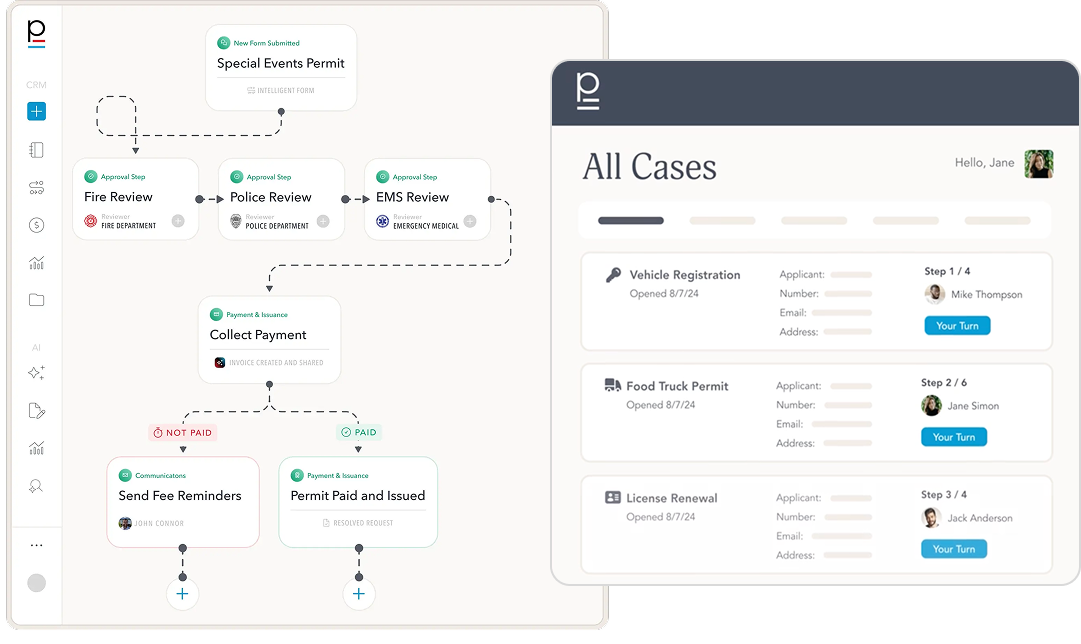
Residents and developers can now submit 24/7. This flexibility for after traditional business hours has reduced turnaround times and increased customer satisfaction.

By leveraging AI pre-review to assist with document indexing and processing, the office saw a notable reduction in errors, improving the overall accuracy of the work.
Despite the workload tripling, the office was able to maintain high levels of efficiency without increasing staff.

Pacifica, CA
Residents struggle to navigate government sites and services. People often don’t know the correct terms, how a city organizes departments, or where to find what they are looking for.
Many services are manual and paper processes. Paper applications and processes require in-person visits and place a time-tax on residents.
Make resident-facing services easier to access, understand, and complete independently.
AI chat, voice and search
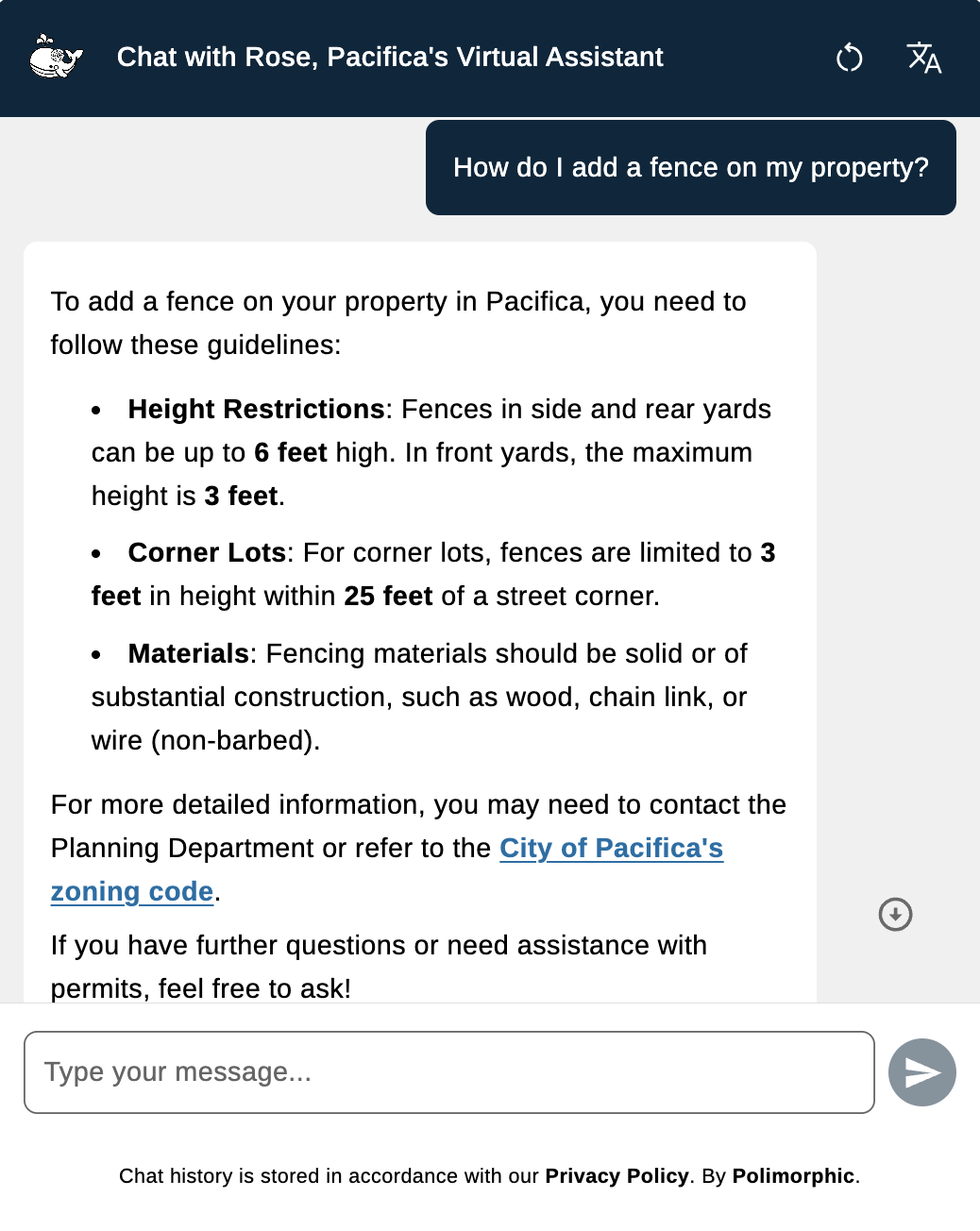
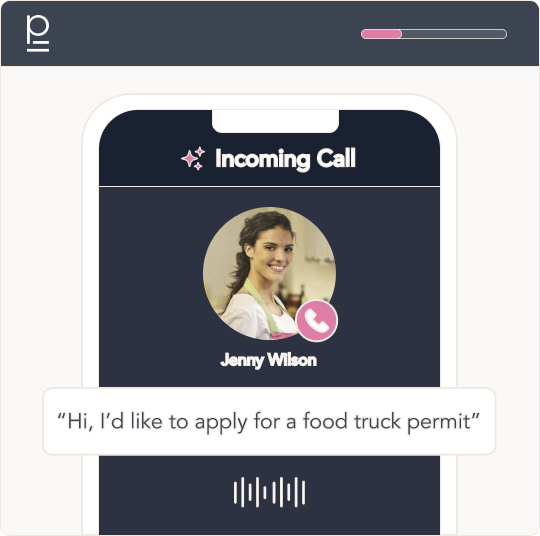
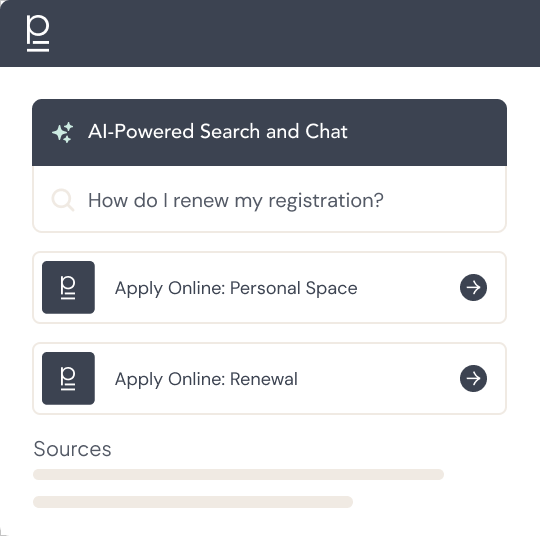
Pacifica CA added AI search, chat, text and voice which they named Rose AI, after their longest living resident. In the year since it's launch early 2024, it has won a CA Innovation award and won the 2025 Helen Putnam Award of Excelence, but most importantly provided open and efficent constituent service, freeing up staff time for more complex and high-priority work.
Resident inquiries
handled
Staff hours saved a year
Phone calls recieved
Success rate for queries
Languages supported
Access for residents over web, text and calls

Residents can face barriers when government services are not accessible across languages, abilities, or devices.
.svg)
Accessible digital forms replace hard-to-read PDFs

Multilingual search, chat, and voice experiences for residents

Accessibility audits with assistive technology, automated tools and user testing

Created an accessibility statement for the platform and VPAT

Adoption of a design system with accessible components

Provided internal guidance on assistive technology and compliance
Residents have more channels to access information how it suits them best. Staff members have more time to spend with the people who need personal attention. Cities have built more trust with residents through services offerred and increased compliance.
One of the most rewarding aspects of this work has been seeing how small improvements compound over time. A better workflow might save a few minutes. A searchable knowledge base might eliminate a phone call. AI-powered chat or voice support might resolve hundreds of routine requests without staff intervention. Individually, those improvements seem small. Together, they create meaningful time savings that allow staff to focus on the work that requires human judgment and expertise.
©2026 Kim Scerbinski - Designed with Webflow
